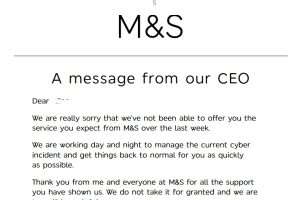
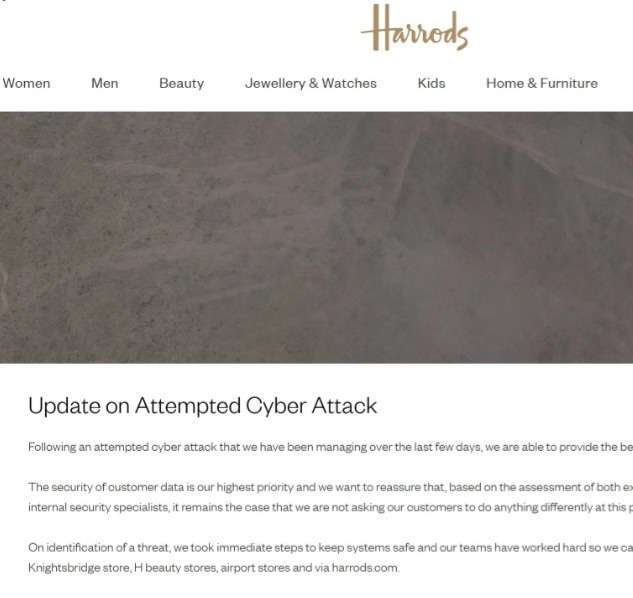
Cyber attacks are increasing at an alarming rate—and while headlines tend to focus on big-name breaches like those affecting Marks & Spencer, Co-op, or The North Face, small businesses are not only at risk—they’re often more vulnerable.
Here’s a breakdown of why cyber attacks are on the rise, and why small businesses should take the threat just as seriously as large enterprises.
🔥 Why Are Cyber Attacks Increasing?
Cyber Crime Has Become Big Business
The global cybercrime economy is worth trillions. Criminals no longer need advanced skills—they can buy ransomware-as-a-service kits, phishing templates, or even hire hackers-for-hire on the dark web. This low barrier to entry has democratized cybercrime.
More Targets, More Opportunity
With more people working remotely and more data stored in the cloud, the number of entry points for attackers has exploded. Every employee device is a potential target.Every unsecured SaaS app could be an access point. Every overlooked security patch is an opportunity.
AI and Automation Amplify Threats
Cybercriminals now use AI to create more convincing phishing emails, automate brute-force attacks, and exploit vulnerabilities at scale. What once took days or weeks now takes seconds.
Economic Pressure Drives Risky Behaviour
Economic uncertainty causes some businesses to cut corners on cybersecurity—fewer updates, minimal training, and delayed investments in secure infrastructure. Attackers know this and exploit it.
🎯 Are Small Businesses next?
Yes—and in many cases, they already are.
Here’s the truth: high-profile attacks make the news, but 43% of all cyberattacks target small businesses (source: Verizon DBIR). Why?
Small businesses are attractive targets because:
They often lack dedicated security teams.
They may use outdated or unpatched systems.
They’re less likely to have incident response plans.
Their employees often aren’t trained in cybersecurity awareness.
And here’s the harsh reality:
cybercriminals know this. They go after the low-hanging fruit. Just because you’re not a household name doesn’t mean your data (or your client’s) isn’t valuable.
Common Attacks on Small Businesses:
- Ransomware: Locking files and demanding payment
- Phishing: Tricking staff into revealing passwords or clicking malware
- Business Email Compromise: Impersonating leadership or vendors
- Data theft: Stealing customer details, credit cards, or internal IP
Even worse? Many small businesses don’t recover. According to FEMA, 60% of small businesses shut down within 6 months of a major cyberattack.

🛡️ What Should Small Businesses Do?
You don’t need a massive budget to protect your business—just smart priorities. Here’s what we recommend:
1. Start with Awareness
Train your employees regularly. They are your first line of defence. Focus on:
Spotting phishing emails (check out our earlier blogs on how to spot phishing emails and what you should do if you think you’ve clicked on a suspicious link)
Using strong, unique passwords
Reporting suspicious activity
2. Back Up Everything
Ensure automated, encrypted backups are running—locally and in the cloud. And test recovery regularly.
3. Keep Systems Updated
Update software, operating systems, and firmware to patch vulnerabilities. Outdated tech is a hacker’s dream.
4. Use Multi-Factor Authentication (MFA)
Add layers to your login security. Even if a password is stolen, MFA can block unauthorised access.
5. Implement a Response Plan
Know what to do when—not if—you’re attacked. Who should be notified? What systems need to be shut down? How can you recover data?
🚨 Final Thoughts: Learn from Big Brands, Act Like One
The attacks on Marks & Spencer, Co-op, and The North Face should be seen not as outliers—but as warning shots for businesses of all sizes.
Large companies may survive the fallout, absorb the cost, and restore operations. Small businesses might not.
At Trusted Computing Ltd, we help small and midsize businesses build affordable, practical cybersecurity defences—from backup plans and staff training to email filtering and threat detection.
Don’t wait for your own headline moment.
📞 Schedule a security assessment or
📩 Talk to our team about securing your business before it’s too late.